
Alvíss and Þórr's daughter
A dwarf came to fetch his promised bride. Her father, Þórr, kept him answering questions until the sun rose.
Mímir: AI draft · not reviewed
- The dwarf Alvíss arrived, ready for his wedding: the benches should be spread, and the bride should come home with him at once. Everyone would think the match hurried, he said, but there would be no resting at home. Alvíssmál 1
- Þórr looked him over. What was he? Why so pale about the nose; had he spent the night with a corpse? 'To a giant like dost thou look, methinks', said Þórr, and he was not born for the bride. Alvíssmál 2
- Alvíss gave his name. He lived under the earth, with his home under a stone, and had come to see the 'wagon-guider'. Let no one break a firm promise, he said. Þórr said he would break it: as father he had the most say over the bride, and he had not been at home when she was promised. Alvíssmál 3, Alvíssmál 4
- Who was this, Alvíss asked, a wanderer few would know, to claim rights over the shining girl? Þórr answered that he was Vingþórr, who had travelled widely, the son of Síðgrani; without his consent Alvíss would not have her. Alvíssmál 5, Alvíssmál 6
- Alvíss wanted that consent quickly: he would rather have 'This snow-white maid' than go without. Þórr agreed that the dwarf would not be denied the girl's love, if he could tell him everything he wished to know about every world. Alvíssmál 7, Alvíssmál 8
- So Þórr asked, and Alvíss answered: what is the earth called in each world? Among men it is 'Earth', among the gods 'Field', among the Vanir 'The Ways', among giants 'Ever Green', among elves 'The Grower'. The sky among men is 'Heaven', but the dwarfs call it 'The Dripping Hall'. Alvíssmál 9, Alvíssmál 10, Alvíssmál 11, Alvíssmál 12
- The questions went on: the moon, the sun, clouds, wind, calm, sea, fire, wood, night, seed and ale, thirteen things in all, each with its name among men, gods, Vanir, giants, elves, dwarfs or the dead. The dwarfs call the sun 'The Deceiver of Dvalin'; the elves call night 'Sleep's Joy'; among Suttungr's sons ale is 'The Feast-Draught'. Alvíssmál 13, Alvíssmál 16, Alvíssmál 30, Alvíssmál 34
- Then Þórr said he had never seen more ancient lore in one breast, but he had tricked the dwarf with great wiles: 'The day has caught thee, dwarf!' Now the sun was shining into the hall. Here the poem ends. Alvíssmál 35
Where the sources differ
Only Alvíssmál tells this; Snorri does not. The poem does not name the bride or say who promised her. Snorri names a daughter of Þórr, Þrúðr (s-c11-1), but never links her to Alvíss. The poem says only that day has caught the dwarf and the sun shines into the hall; it does not say that he turns to stone, as retellings often add. In Helgakviða Hjörvarðssonar a giantess kept talking until daybreak is told she will stand as a stone (hhv-s30).
Read it yourself
- Alvíssmál 2 — Þórr's first look at the pale suitor.
- Alvíssmál 10 — One thing, six names: the pattern of the whole poem.
- Alvíssmál 35 — The trap closes at sunrise.
Who takes part
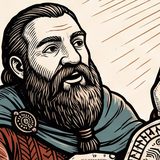

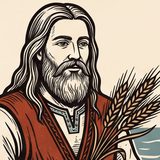
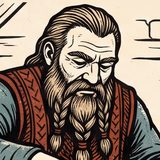
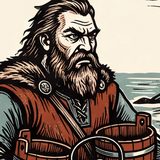
Why here in the order: No source dates it; placed among Þórr's other meetings with giants and dwarfs as a reading aid.