
The death of Baldr
Everything in the world swore not to hurt Baldr, except one small plant that seemed too young to ask.
Mímir: AI draft · not reviewed
- Baldr the Good had great and dangerous dreams about his life. When he told the Æsir, they decided to ask safety for him. Frigg took oaths from fire and water, iron and all metals, stones, earth, trees, sicknesses, animals, birds, poisons and snakes that they would not harm Baldr. Gylfaginning 49
- In the poem Baldrs draumar, Óðinn rides Sleipnir down towards Hel and wakes a dead seeress. Unwillingly she tells him that mead is brewed for Baldr below, that Höðr will kill him, and that Váli, a son born to Rindr, will avenge him at one night old. Baldrs draumar 2, Baldrs draumar 4, Baldrs draumar 7, Baldrs draumar 9, Baldrs draumar 11
- Now Baldr made a game of it. He stood at the assembly while the others shot at him, struck at him and threw stones, and nothing hurt him. Everyone thought this a great honour. Gylfaginning 49
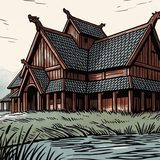
- Loki did not like it. He went to Frigg at Fensalir in the shape of a woman and asked whether all things had sworn. Frigg said a young shoot grew west of Valhöll, called mistletoe, which had seemed too young to ask for an oath. Gylfaginning 49
- Loki pulled up the mistletoe and went to the assembly. Höðr was standing at the edge of the ring, because he was blind. Loki asked why he was not shooting, and offered to show him where Baldr stood. Gylfaginning 49
- Höðr threw the mistletoe as Loki directed. It went straight through Baldr, and he fell dead. The gods could not speak or move; none could take revenge, because the place was a sanctuary. Óðinn took it hardest, because he understood best what the loss meant. Gylfaginning 49
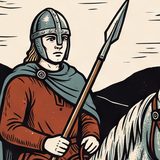
- Frigg asked who would ride to Hel and offer a ransom for Baldr. Hermóðr, Óðinn's son, took Sleipnir and rode off. Gylfaginning 49
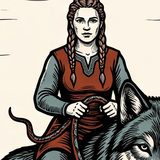
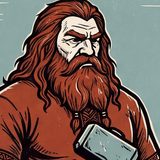
- Baldr's ship Hringhorni would not move, so the giantess Hyrrokkin was fetched; she came riding a wolf with snakes for reins and launched it with one push. Baldr's wife Nanna died of grief and was burned with him. Þórr blessed the pyre with Mjöllnir and kicked a dwarf, Litr, into the fire. Óðinn laid the ring Draupnir on the pyre. Gylfaginning 49
- Hermóðr rode nine nights through dark valleys to the bridge Gjallarbrú, jumped Sleipnir over Hel's gate and found Baldr in the high seat. Hel said Baldr could return if everything in the world, living and dead, wept for him; if anything refused, he would stay. Gylfaginning 49
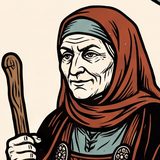
- Messengers asked the whole world to weep, and everything did: people, animals, earth, stones, trees and metals. But a giantess in a cave, Þökk, said she would weep only dry tears, and Hel could keep what she had. People think she was Loki. Gylfaginning 49
Where the sources differ
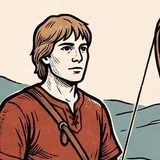
Völuspá and Baldrs draumar name Höðr as the killer and the mistletoe as the weapon, but neither mentions Loki's part in this. Instead they tell of the revenge Snorri leaves out of this chapter: Váli, Óðinn's son by Rindr, kills Höðr at one night old, before washing his hands or combing his hair (vsp-s32, vsp-s33, bdr-s11). In Lokasenna Loki himself boasts to Frigg that he is the reason Baldr no longer rides home (ls-s28).
Read it yourself
- Gylfaginning 49 — Frigg gives away the one secret that matters.
- Gylfaginning 49 — Blind Höðr's throw, guided by Loki.
- Gylfaginning 49 — Hel's terms: all things must weep.
- Gylfaginning 49 — Þökk's cold refusal, in verse.
- Völuspá 32 — Völuspá's version: the mistletoe, Höðr, and the avenger.
Who takes part
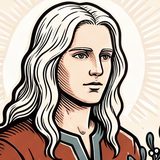 Baldr
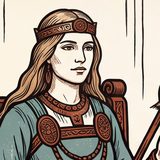 Frigg
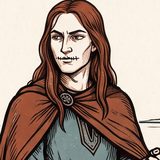 Loki
 Höðr
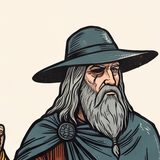 Óðinn
 Sleipnir
 Hel
 Fensalir
 Hermóðr
 Hringhorni
 Hyrrokkin
 Nanna
 Þórr
 MjöllnirLitr
 Draupnir
 Gjallarbrú
 Þökk
 Váli
 Rindr
Why here in the order: Völuspá tells it after the first war and the broken oaths, and just before Loki's binding and Ragnarök.