
Grótti
GROHT-ti [ˈkrouʰtɪ] ? pronunciation: draft
Grótti
object
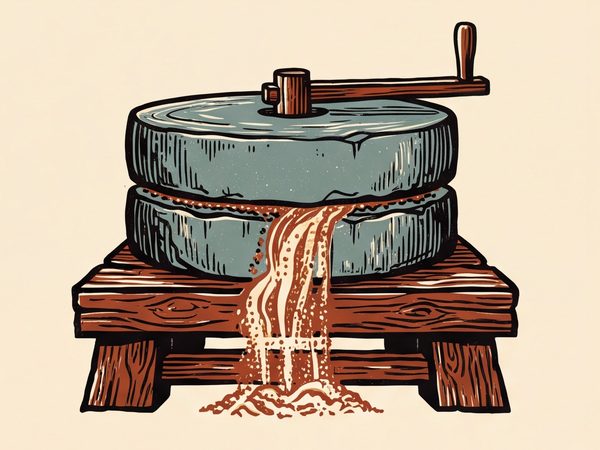
A magic mill that ground out whatever was asked: gold and peace for a king, then an army against him.
Mímir: AI draft · not reviewed
Key facts
- Who
- Two millstones found in Denmark, too heavy for anyone to turn; they ground out whatever the grinder asked for. Hengikjöptr gave them to King Fróði. Skáldskaparmál 52
 Fróði
- Known for
- Fróði bought two huge, strong slave-women, Fenja and Menja, and made them grind gold, peace and happiness with almost no rest Skáldskaparmál 52
 Fenja
 MenjaFróði
- Lost
- Singing, they ground out an army: the sea-king Mýsingr came that night, killed Fróði and took the mill. So ended Fróði's peace. Skáldskaparmál 52
 MýsingrFróði
- Fate
- Snorri: on Mýsingr's ship they ground salt until the ship sank; the sea has been salt ever since. In Gróttasöngr the poem ends instead with the heavy stone bursting in two. Skáldskaparmál 52, Gróttasöngr 23Mýsingr
- Known for
- The maidens sing that Grótti would not have come out of the grey mountain if they had known nothing of it; the line is obscure. Gróttasöngr 10FenjaMenja
Read it yourself
- Skáldskaparmál 52 — The maidens grind gold and peace for Fróði.
- Skáldskaparmál 52 — The army, the salt, and the sinking ship.
- Gróttasöngr 23 — The giant-maidens break the mill.
In the stories
The story in brief
Grótti is the magic hand-mill of the Danish king Fróði, which ground out whatever its turner asked for. Its two huge millstones were too heavy for anyone in Denmark to turn, so Fróði bought the giant maidens Fenja and Menja to work it (Skáldskaparmál chapter 52; prose of Gróttasöngr).
Fróði had them grind gold, peace and prosperity without rest. In Gróttasöngr the slave-women sing as they grind, recalling their giant origin and that the stone itself came out of the mountain because of them (stanza 10), and then grind out an army. The sea-king Mýsingr comes that night, kills Fróði and carries off the mill, which is how the peace of Fróði ended. Snorri adds that Mýsingr had them grind salt until the ship sank, which is why the sea is salt. Gold is therefore called "Fróði's meal". A verse quoted in Skáldskaparmál chapter 33 pictures the nine daughters of the sea turning a "Grótti of the skerries" that once ground Amlóði's meal; Háttatal (chapter 2) also uses Grótti in a gold-kenning.
Summary: AI draft · not reviewed