
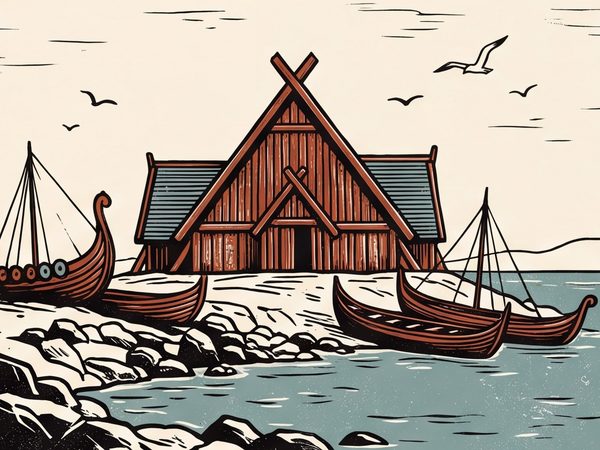
Nóatún
NOH-a-toon [ˈnouːaˌtʰuːn] ? pronunciation: draft
Nóatún
place (myth)
Njörðr's home by the sea, where his mountain-bred wife Skaði could not sleep for the cries of the gulls.
Mímir: AI draft · not reviewed
Key facts
- What
- Njörðr's dwelling, in heaven Gylfaginning 23, Grímnismál 16
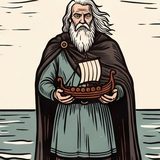 Njörðr
- Known for
- Njörðr and Skaði agreed to spend nine nights in Þrymheimr and nine in Nóatún. He hated the wolves' howling in the mountains; she could not sleep by the sea for the seabirds Gylfaginning 23
 Skaði
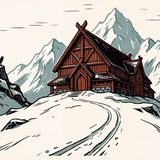 Þrymheimr
- Known for
- Njörðr's children Freyr and Freyja were born there Gylfaginning 24
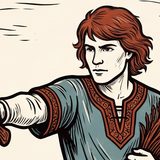 Freyr
 Freyja
- Known for
- In Grímnismál, the eleventh dwelling; Þrymr calls Freyja "The daughter of Njorth out of Noatun" Grímnismál 16, Þrymskviða 22
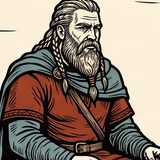 ÞrymrFreyja
Read it yourself
- Gylfaginning 23 — Skaði's verse: the gull wakes me every morning.
- Grímnismál 16 — Njörðr's high-timbered shrine.
In the stories
Skaði chooses a husband by his feetGrímnir between the fires
The story in brief
Nóatún ("ship-enclosure") is the dwelling of the god Njörðr. Gylfaginning (chapter 23) says Njörðr lives in heaven in the place called Nóatún, and Grímnismál 16 lists it as the eleventh of the gods' halls, where Njörðr rules in his high-timbered temple.
The name stands for Njörðr's sea-bound nature. In Gylfaginning chapter 23 his wife Skaði, who prefers her father's mountain home Þrymheimr, cannot bear the noise of the sea birds at Nóatún, and the two separate. Njörðr is "Njörðr of Nóatún" in Skáldskaparmál chapter 3, Freyr and Freyja are born to him there (Gylfaginning chapter 24), and in Þrymskviða 22 the giant Þrymr rejoices that Freyja, "Njörðr's daughter from Nóatún", is being brought to him as bride.
Summary: AI draft · not reviewed