
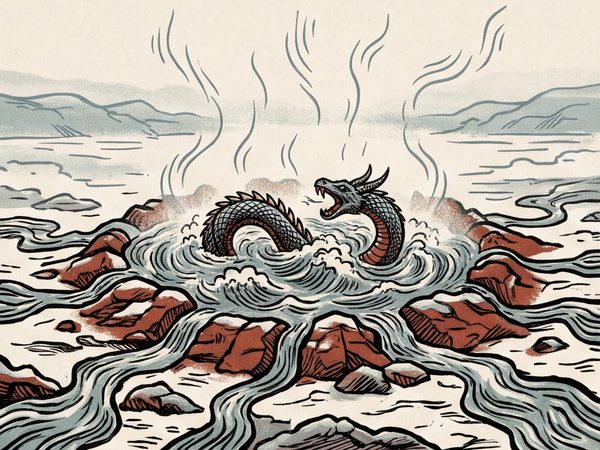
Hvergelmir
KVEHR-gel-mir [ˈkʰvɛːrˌcɛlmɪr̥] ? pronunciation: draft
Hvergelmir
place (myth)
The spring in the middle of the cold world, source of the rivers, where the snake Níðhöggr torments the dead.
Mímir: AI draft · not reviewed
Key facts
- What
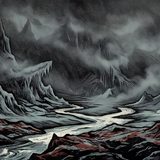
- A spring in the middle of Niflheimr, made "many ages" before the earth; rivers flow from it, and one of them, Gjöll, runs nearest Hel's gates Gylfaginning 4
 Niflheimr
 Gjöll
- Where
- Under the root of Yggdrasill that stands over Niflheimr Gylfaginning 15
 Yggdrasill
- Who lives here
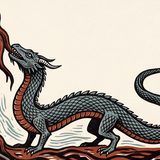
- Níðhöggr, with more serpents than any tongue can tell Gylfaginning 16
 Níðhöggr
- Known for
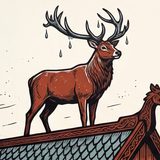
- The hart Eikþyrnir stands on Valhöll; drops from his horns fall into Hvergelmir and become the rivers Grímnismál 26, Gylfaginning 39
 Eikþyrnir
 Valhöll
- Fate
- After Ragnarök "it is worst in Hvergelmir", where the cursed snake tears dead men's bodies Gylfaginning 52Níðhöggr
Read it yourself
- Gylfaginning 4 — The cold world and its well, before the earth existed.
- Grímnismál 26 — Eikþyrnir's horns feed the rivers.
In the stories
The story in brief
Hvergelmir ("roaring cauldron") is the spring from which all rivers flow. Snorri places it in the middle of Niflheimr before the earth was shaped, the source of the rivers listed there, with Gjöll next to Hel's gate (Gylfaginning chapter 4).
It lies under the root of Yggdrasill that stands over Niflheimr, where Níðhöggr gnaws the root (Gylfaginning 15-16). In Grímnismál 26 the hart Eikþyrnir, standing on Valhöll, drips moisture from his horns into Hvergelmir, and from there the rivers run; Snorri repeats this with a long list of river names (Gylfaginning 39). In his account of the afterlife (Gylfaginning 52) Snorri says it is "worst in Hvergelmir", where Níðhöggr torments the dead.
Summary: AI draft · not reviewed